
Trump's Bold 25% Tariff Hammer Targets Iran's Global Trade Partners | The GPM


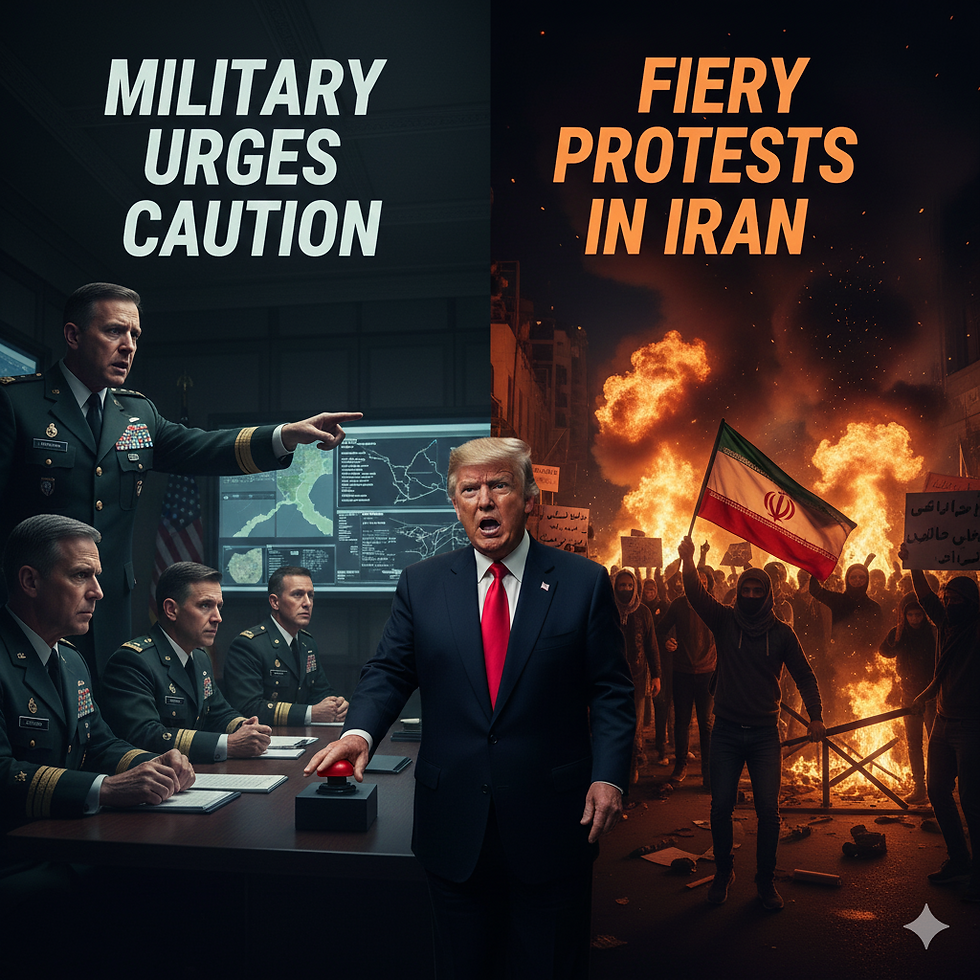
US President Donald Trump has unleashed a bold new tariff salvo, declaring that any country engaging in trade with Iran will face a steep 25 percent levy on all its business with the United States. This sweeping measure, announced via Truth Social on Monday, takes effect immediately and marks a dramatic escalation in Washington's campaign to isolate Tehran amid raging nationwide protests. Trump framed the order as final and conclusive, signaling no room for negotiation as he aims to choke off Iran's economic lifelines and force compliance on multiple fronts.The timing could not be more charged. Iran grapples with weeks of anti government demonstrations sparked by skyrocketing inflation, fuel shortages, and deep seated anger over corruption and repression. Security forces have unleashed a brutal crackdown, with human rights groups reporting nearly 600 deaths and thousands arrested, though an internet blackout obscures the full toll. Trump has seized on this chaos, publicly cheering the protesters and warning that further violence could trigger US military intervention, much like the recent operation that toppled Venezuela's Nicolas Maduro. His tariff gambit piles economic pain on top of these threats, targeting nations that have kept Iran's trade afloat despite years of sanctions.Major economies now scramble to assess the fallout. China stands as Iran's largest trading partner, followed by Turkey, the United Arab Emirates, Iraq, and India, all of which could see billions in US exports hit hard. For India, already nursing a 50 percent tariff linked to Russian oil purchases, this adds insult to injury. New Delhi ships rice, tea, sugar, pharmaceuticals, and machinery to Tehran, while importing chemicals, dry fruits, and glassware in return. Trade volumes, though down from peaks, still matter enough to sting under a blanket 25 percent hike. Brazilian soybean farmers and Russian energy giants might feel the ripple too, as Trump's net casts wide to punish any enabler of the Islamic Republic.Tehran's response has been defiant. Supreme Leader Ayatollah Ali Khamenei dismissed the tariffs as deceitful American bullying, rallying pro government crowds to showcase national unity. Iranian officials hint at retaliation, from oil market disruptions to proxy attacks on US interests, while quietly reaching out for talks. Trump revealed that Iranian leaders called Washington seeking negotiations, admitting fatigue from relentless pressure. Yet he cautioned that ground developments, like protest massacres, could derail diplomacy before it starts. White House Press Secretary Karoline Leavitt underscored airstrikes as one option on the table, though a diplomatic channel via envoy Steve Witkoff remains open.This move echoes Trump's first term playbook, where maximum pressure campaigns battered Iran through sanctions and the Abraham Accords. Back then, Tehran enriched uranium to near bomb grade and armed proxies across the Middle East. June's US airstrikes on Iranian nuclear sites, following Israeli strikes, shattered a fragile truce and killed dozens. Now, with Trump back in the White House, the strategy intensifies. Supporters like Senator Lindsey Graham hail it as masterful isolation of the Khamenei regime, starving its war machine and emboldening dissenters. Critics warn of global supply chain chaos, higher consumer prices, and risks of broader conflict.India faces particular headaches. Its Iran trade, vital for essentials, now collides with US demands to pick sides. MEA officials downplay immediate panic but note the partnership's importance. Pharmaceuticals and textiles, key exports, could lose competitiveness overnight. Meanwhile, Iran's economy, already crippled by prior sanctions, teeters closer to collapse. Protests have paralyzed bazaars and factories, amplifying the tariff's bite. Tehran might pivot harder to barter deals with Russia and China, but even those allies baulk at unlimited exposure.Regionally, the stakes skyrocket. Iraq's Shia militias, UAE ports handling Iranian oil, and Turkish bazaars funneling goods all enter the crosshairs. Hezbollah in Lebanon and Houthis in Yemen, Iranian backed, could lash out if squeezed. Trump bets that economic pain will fracture these networks and topple hardliners. Yet history cautions restraint: past sanctions bred defiance, not surrender. Khamenei's base, though eroded, clings to anti American fervor as a survival glue.Global markets jolted on the news. Oil prices spiked briefly on supply fears, stocks dipped in export heavy nations, and the dollar strengthened as a safe haven. Analysts predict short term volatility but question long term bite, given enforcement hurdles. US Customs must verify trade flows, a nightmare for complex supply chains. Loopholes abound, from third party transshipments to cryptocurrency evasion.Trump's calculus blends bravado with pragmatism. By hitting trade partners, he outsources pressure without direct confrontation. Protesters chanting for regime change get a morale boost, while allies like Israel cheer the squeeze. Iran, cornered, might lash out or fold. Diplomatic whispers suggest Tehran softens privately, contrasting bombast. As protests rage, this tariff could tip the scales toward upheaval or spark a wider firestorm.
The world watches breathlessly. Trump's 25 percent hammer tests loyalties, exposes vulnerabilities, and redraws trade maps.
For Iran, survival hangs by a thread. For partners like India, tough choices loom. In this high wire act, one misstep risks economic war or worse.


Comments